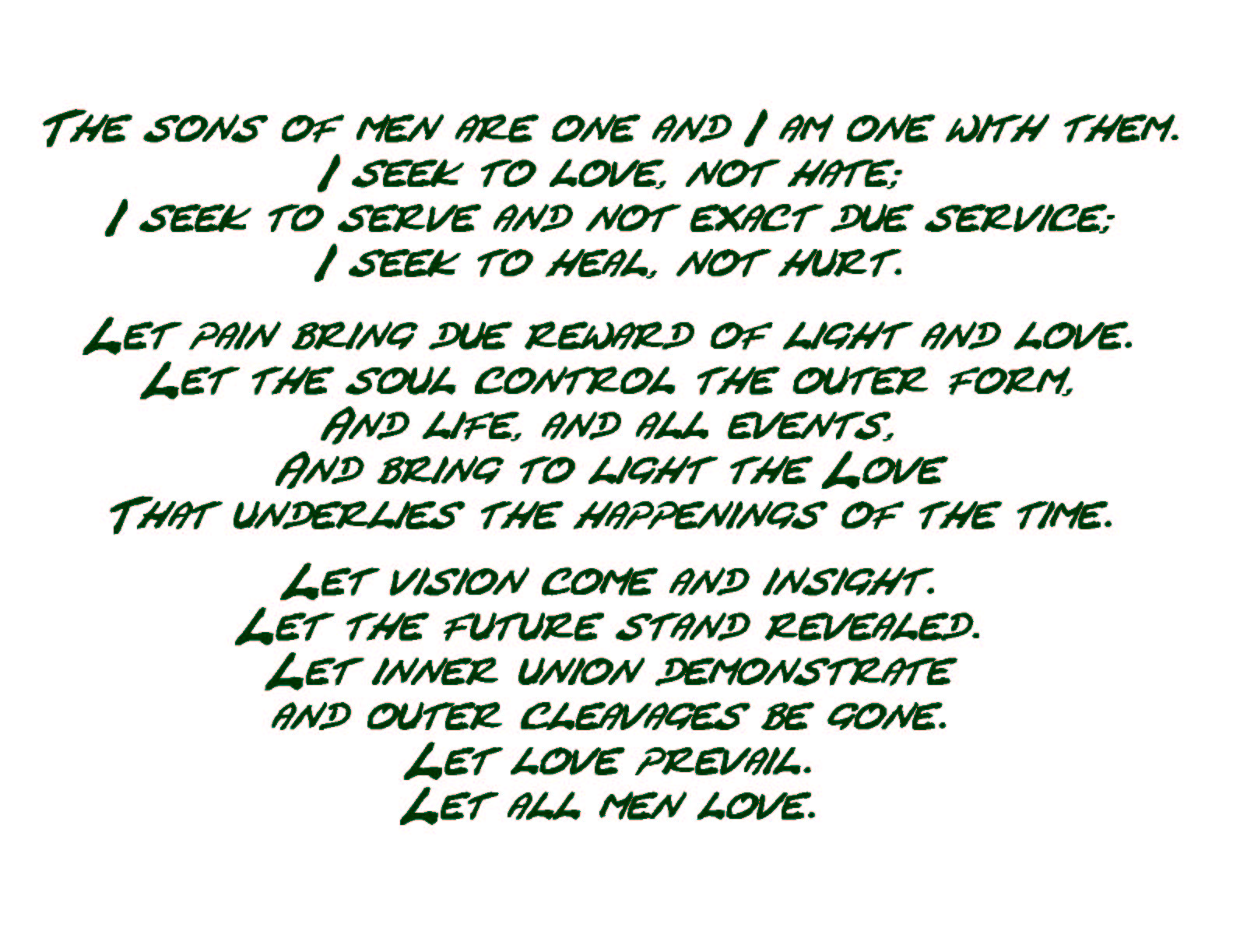
ON LOVE; PART DCCLXXXVIII
ΑΩ•ΑΩ•ΑΩ•ΑΩ•ΑΩ•ΑΩ•ΑΩ•ΑΩ•ΑΩ•ΑΩ•ΑΩ•ΑΩ•ΑΩ•ΑΩ•ΑΩ•ΑΩ•ΑΩ•ΑΩ•ΑΩ•ΑΩ•ΑΩ•ΑΩ•ΑΩ•ΑΩ•ΑΩ•ΑΩ•ΑΩ•ΑΩ•ΑΩ•ΑΩ•ΑΩ•ΑΩ•ΑΩ•ΑΩ•Α
GoodWill IS Love in Action
ΑΩ•ΑΩ•ΑΩ•ΑΩ•ΑΩ•ΑΩ•ΑΩ•ΑΩ•ΑΩ•ΑΩ•ΑΩ•ΑΩ•ΑΩ•ΑΩ•ΑΩ•ΑΩ•ΑΩ•ΑΩ•ΑΩ•ΑΩ•ΑΩ•ΑΩ•ΑΩ•ΑΩ•ΑΩ•ΑΩ•ΑΩ•ΑΩ•ΑΩ•ΑΩ•ΑΩ•ΑΩ•ΑΩ•ΑΩ•Α
FIRST IS THE GREAT COMMANDMENTS: “The first of all the commandments is, Hear, O Israel; The Lord our God is one Lord: And thou shalt love the Lord thy God with all thy heart, and with all thy soul, and with all thy mind, and with all thy strength: this is the first commandment. And the second is like, namely this, Thou shalt love thy neighbour as thyself. There is none other commandment greater than these” (Mark 12:29-31).
ΑΩ•ΑΩ•ΑΩ
WHAT THEN IS LOVE? In a general sense love is benevolence, good will; that disposition of heart which inclines men to think favorably of their fellow men, and to do them good. In a theological sense, it includes supreme love to God, and universal good will to men. While this IS from an older definition of Charity, which IS rendered in the King James Bible from the same Greek word agape which IS generally rendered as Love, we should amend our own definition here to include the idea that in the reality of Love a man will accord to ALL men ALL things that he would accord to himself and to say that Love IS our thoughts and attitude of the equality of ALL men regardless of their outward nature or appearance…that ALL ARE equally children of Our One God
ΑΩ•ΑΩ•ΑΩ
PLUS THE EVER IMPORTANT AND HIGH IDEAL TAUGHT TO US BY THE CHRIST: “Therefore all things whatsoever ye would that men should do to you, do ye even so to them” (Matthew 7:12)
As we have continued our discussion of grace as the revelations and the realizations of Truth in the consciousness of a man that comes from God, from the God Within, we have explored the reality of the Presence of God in one’s Life. It IS when we can realize the reality of His Presence as this IS revealed to the consciousness of the man whose focus IS upon the things of God, that we can begin to see the reality of Love that IS beyond the view of the man whose focus IS on the things of the world. This IS the reality of the Apostle John’s words below that show us His Presence as well as our unique Oneness with God and which show us as well the reality of the quid pro quo that IS essentially denied by the doctrines of men which teach a version of His grace that comes to one who believes and confesses in the carnal sense of these words. These doctrines, and there ARE many, teach that the grace of God IS not earned, that it IS NOT that reward of which the gospel writers speak, while a deeper look at the Master’s words reveals that this IS NOT True. John discusses the idea of believing in the same way that he shows us to “keep his commandments” and he shows us the reality of confession as the indicator of a man who “is of God“; it IS when we put ALL of this together with the Master’s own words that we can see the intent of the apostles words, that these ideas ARE ALL tied together and have the same meaning of keeping His words. While men may argue that the way that John phrases this DOES NOT indicate what we ARE saying, the reality IS that they are narrowing the scope of the apostle’s words to suit their own sense of doctrine and that they ARE missing the most apparent point….if a man believes that Jesus IS Lord and if a man should confess this belief, he should at the same time keep His words simply because He IS Lord. In this view we should hearken back to the times of kings and lords and understand that for a man to NOT keep their edicts, the penalty was rather harsh and could even be death. We read again our selection from the apostle’s words from his epistle:
“whoso hath this world’s good, and seeth his brother have need, and shutteth up his bowels of compassion from him, how dwelleth the love of God in him? My little children, let us not love in word, neither in tongue; but in deed and in truth. And hereby we know that we are of the truth, and shall assure our hearts before him. For if our heart condemn us, God is greater than our heart, and knoweth all things. Beloved, if our heart condemn us not, then have we confidence toward God. And whatsoever we ask, we receive of him, because we keep his commandments, and do those things that are pleasing in his sight. And this is his commandment, That we should believe on the name of his Son Jesus Christ, and love one another, as he gave us commandment. And he that keepeth his commandments dwelleth in him, and he in him. And hereby we know that he abideth in us, by the Spirit which he hath given us. Beloved, believe not every spirit, but try the spirits whether they are of God: because many false prophets are gone out into the world. Hereby know ye the Spirit of God: Every spirit that confesseth that Jesus Christ is come in the flesh is of God: And every spirit that confesseth not that Jesus Christ is come in the flesh is not of God: and this is that spirit of antichrist, whereof ye have heard that it should come ; and even now already is it in the world. Ye are of God, little children, and have overcome them: because greater is he that is in you, than he that is in the world. They are of the world: therefore speak they of the world, and the world heareth them. We are of God: he that knoweth God heareth us; he that is not of God heareth not us. Hereby know we the spirit of truth, and the spirit of error” (1 John 3:17-24, 4:1-6).
When we can apply the idea that precedes believing and confessing, the idea that we “keep his commandments“, we can more clearly understand the apostle’s use of the ideas behind the Greek words that ARE rendered as believe on and understand the dynamic effect of this phrase; that to believe on Him or on His Name IS to accept and adopt His precepts and example as binding upon the life 4. It IS in this sense of belief that we have the reality of keeping His words which IS the hidden strength behind Vincent’s idea that one must accept and adopt both Jesus precepts and His example. The shorter approach of acknowledging His Lordship IS based in the carnal view of this word believe and puts the man squarely in line with the Master’s rhetorical question “why call ye me, Lord, Lord, and do not the things which I say?” (Luke 6:46). The apostle reminds us that the answer to one’s own position in regard to this question IS found in the self examination of “if our heart condemn us“; and we should KNOW that while we can fool our own carnal minds, we CAN NOT fool the God Within which IS reflected in the consciousness of the man who has begun to focus upon the things of God. And the sense of reward IS clear in the apostle’s words as they are clear in the Master’s own words below; John tells us that “he that keepeth his commandments dwelleth in him, and he in him. And hereby we know that he abideth in us, by the Spirit which he hath given us“; and with this in mind it IS more clearly difficult to fool oneself regarding the ideas of belief and confession. We should see here as well the relationship that John shows us between believing and DOING as he says “That we should believe on the name of his Son Jesus Christ, and love one another“; in this the relationship of DOING and believing IS cemented in the reality of Love. John’s ideas on the Presence of the Lord, that He dwells in the man consciously, IS squarely placed into this same reciprocal action, this same quid pro quo, that the Master outlines clearly for us; John tells us that it IS the man who keeps His words that has this Presence, that it IS this man in whom the Spirit of the Lord abides, and this we should understand as the realization by the personality in the world of this Truth as the mind and the emotions come into line with the Higher Life of the God Within. The Master paints this for us this way:
“He that hath my commandments, and keepeth them, he it is that loveth me: and he that loveth me shall be loved of my Father, and I will love him, and will manifest myself to him. Judas saith unto him, not Iscariot, Lord, how is it that thou wilt manifest thyself unto us, and not unto the world? Jesus answered and said unto him, If a man love me, he will keep my words: and my Father will love him, and we will come unto him, and make our abode with him. He that loveth me not keepeth not my sayings: and the word which ye hear is not mine, but the Father’s which sent me” (John 14:21-24).
The reality of the reciprocity IS clear and while this may NOT be seen by Christian doctrines, there IS a resounding truth found in these words from the Master and from the apostle as well as in the words of James, Paul and Peter. And we should NOT forget here how that ALL of this reciprocity, ALL of this grace, comes to a man by measure and by degree; that as the focus of the Life of a man changes from the self and the things of the world to the God Within and the things of God, more grace IS given and this IS the reward, that normal and natural reward, for keeping His words. In Jesus’ words from the Sermon on the Mount there IS much said regarding this sense of reward, a sense that IS rather ignored through the doctrines that men have created; two posts back we read: “love ye your enemies, and do good, and lend, hoping for nothing again; and your reward shall be great, and ye shall be the children of the Highest” (Luke 6:35). Can we see the idea of reciprocity more clearly here? And can we understand the reality of the Greek word charis, that this word that means grace IS inexplicably rendered as thank by the King James translators in the Master’s sayings that precede this: “if ye love them which love you, what thank have ye? for sinners also love those that love them. And if ye do good to them which do good to you, what thank have ye? for sinners also do even the same. And if ye lend to them of whom ye hope to receive, what thank have ye? for sinners also lend to sinners, to receive as much again” (Luke 6:32-34).
We should be able to see this reality of reciprocity as this idea IS spread across the New Testament and while we have spent much time on the Master’s words from the Sermon according to Matthew and Luke, we should refresh our ideas again as we try to understand the reality that ALL things spiritual come to the man who DOES keep His words and we must always remember that the whole of His words IS accomplished in our expression of Love. And, contrary to the ideas of many in the church, ideas such as John Gill’s saying: and your reward shall be great: God will bless you in your worldly substance here, and will not forget your beneficence hereafter 8, the reality of our reward IS grace and there IS naught in His grace that IS of the world nor does one need to wait….grace IS received here and now as the Presence of God in the Life of the man who strives to keep His words. And this IS the reality of the apostle’s words saying “Ye are of God, little children, and have overcome them: because greater is he that is in you, than he that is in the world“: while the reality of “Christ in you” IS universal as the Soul that is the Truth of everyman, the revelation of this Truth IS NOT the realization of everyman; it IS the realization of the man who gains the reward, the grace of God, which IS His Presence in one’s Life. It IS here that we should try to see that it IS the segmenting of the thoughts of the writers that create that aura of belief that it IS the average man who IS “of God” as John frames this and which idea we should see in the same light as being “born of God” and we should NOT forget how that the apostle goes on to teach us the relationship between being “of God“, Love and keeping His commandments.
John tells us “Beloved, let us love one another: for love is of God; and every one that loveth is born of God, and knoweth God. He that loveth not knoweth not God; for God is love” (1 John 4:7-8) and we should see here that one CAN NOT Truly be “of god” without KNOWING God and being “born of God” which ARE synonymous terms. And the apostle goes on to tell us that we ARE “born of God” in keeping His words as well and, although he frames this in seemingly elusive terms, the Truth DOES come through; we read:
“Whosoever believeth that Jesus is the Christ is born of God: and every one that loveth him that begat loveth him also that is begotten of him. By this we know that we love the children of God, when we love God, and keep his commandments. For this is the love of God, that we keep his commandments: and his commandments are not grievous. For whatsoever is born of God overcometh the world: and this is the victory that overcometh the world, even our faith. Who is he that overcometh the world, but he that believeth that Jesus is the Son of God?” (1 John 5:1-5).
It IS here that our discernment IS beneficial and if we can see that this is our beneficent response that IS our realization of Truth, then we can see the yet deeper reality of the Apostle Paul’s words saying “the natural man receiveth not the things of the Spirit of God: for they are foolishness unto him: neither can he know them, because they are spiritually discerned” (1 Corinthians 2:14). This IS the reality of His grace, the favor and the reward from the God Within, as recompense for the focus of the man on the things of God. While the idea of reward IS buried at the end of the lexicon’s definition of the Greek word charis, this IS largely ignored the doctrines that DO NOT see the reality of the reciprocal action by which we receive His Presence and, although this Presence may be spoken of in regard to grace, this reality IS missed in the Master’s words above where His manifesting and His abiding ARE NOT seen in this same way. It IS in our discernment of the ideas presented that we can see the link between the reward and the grace from the different words and approaches of Matthew and Luke which we explore in some detail in In the Words of Jesus part 1127. It IS our discernment that shows us the dynamic link between keeping His words and believing on or believing in the Master and His Name and, while Vincent’s ideas may have helped us to see the reality of the Greek words, it IS our own realization that Truly gives us our awareness that his words are Truer than the common understanding of the ideas behind the Greek words. And it IS our discernment that shows us the Truth of the idea of confession as we have been discussing as well as the deeper realities of the entirety of the message given us. This discernment IS our grace and this discernment IS the effective realization of the revelations offered by and through the God Within who IS the True man, the Soul, and who IS ever in communion with the reality of the Godhead.
We should try to see here how that our own spiritual discernment IS based in the grace of God, it IS His Presence which gives us the revelation and the realizations of His Truths as they ARE opposed to the carnal discernment of the natural man. And we should remember here that the measure of this IS our Love for ALL which IS the fruit that we should bear.
We will continue with our thoughts in the next post.
| Aspect |
Potency |
Aspect of Man |
In Relation to the Great Invocation |
In relation to the Christ |
|
GOD, The Father |
Will or Power |
Spirit or Life |
Center where the Will of God IS KNOWN |
Life |
|
Son, The Christ |
Love and Wisdom |
Soul or Christ Within |
Heart of God |
Truth |
|
Holy Spirit |
Light or Activity |
Life Within |
Mind of God |
Way |
Note on the Quote of the Day
This daily blog also has a Quote of the Day which may not be in any way related to the essay. Many of these will be from the Bible and some just prayers or meditations that may have an influence on you and are in line with the subject matter of this blog. As the quote will change daily and will not store with the post, it is repeated in this section with the book reference and comment.
We repeat here again a saying that is from the Bhagavad Gita, which goes well with our theme of the God Within, the Soul, which we see as the Christ Within and while this is good in the Christian world and is True based upon our understanding of the Christ as the manifestation of God, we should also see in these words below that it does not matter what these divine ideas are called; that it matters not what we call this Inner Man, that he is the same in ALL, he is the Soul.
Thou carriest within thee a sublime Friend whom thou knowest not. For God dwells in the inner part of every man, but few know how to find Him. The man who sacrifices his desires and his works to the Beings from whom the principles of everything stem, and by whom the Universe was formed, through this sacrifice attains perfection. For one who finds his happiness and joy within himself, and also his wisdom within himself is one with God. And, mark well, the soul which has found God is freed from rebirth and death, from old age and pain, and drinks the water of Immortality.—Bhagavad-Gita
It is difficult to tell just what verses of the Bhagavad Gita the above is from; whether it is a paraphrase or a combination. It is from the book “The Great Initiates” by Édouard Schuré which was originally published in French in 1889 and perhaps it is in the translation of the verses that they become hard to recognize. However, the sheer beauty of the presentation caught my attention and so I share it with you. The Path to the Kingdom is the same no matter what religion one professes.
Let the peace of God rule in your hearts
- 4 Word Studies in the New Testament; Marvin R Vincent D.D. 2nd edition, 1888
- 8 Bible commentaries on BibleStudyTools.com